
Philosophy of Home Maintenance: Reflections on Roof Repair in Simi Valley
The Philosophy Behind Caring for Your Home
Home maintenance is more than a list of chores—it’s a philosophy of stewardship. When we choose to maintain our homes thoughtfully, we’re making a statement about our values: responsibility, foresight, and respect for the shelter that protects us. Nowhere is this philosophy more evident than in how we approach roof repair, a task that demands both immediate attention and long-term thinking.
The roof represents the first line of defense against nature’s elements. It shields us from scorching summer heat, winter rains, and everything in between. Yet despite its critical importance, the roof often remains out of sight and out of mind—until a problem forces us to look up.
The Simi Valley Context: Climate and Roofing Challenges
Simi Valley’s unique climate presents specific challenges for homeowners. The region experiences hot, dry summers with intense UV exposure that can degrade roofing materials over time. The occasional heavy rains, while less frequent, test the integrity of every seal, flashing, and shingle when they do arrive.
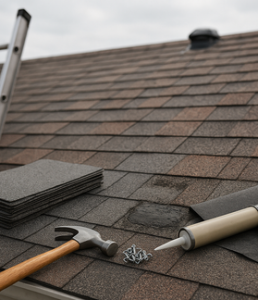
Understanding your local environment is the first step in developing a maintenance philosophy. In Simi Valley, roofs face:
- Prolonged sun exposure that breaks down asphalt shingles and other materials
- Thermal expansion and contraction from temperature fluctuations
- Wind-driven debris from surrounding hills and vegetation
- Seasonal weather patterns that can expose hidden vulnerabilities
Preventive Thinking Versus Reactive Repairs
The philosophy of home maintenance encourages us to shift from reactive to preventive thinking. Rather than waiting for leaks to appear or damage to become visible from the ground, a thoughtful approach involves regular inspections and minor interventions before they become major problems.
Working with professionals like Simi Valley Roof Repair allows homeowners to develop a proactive maintenance schedule tailored to their specific roof type and age. This partnership approach recognizes that homeowners bring intimate knowledge of their property, while professionals contribute technical expertise and diagnostic skills.
The Ethics of Quality Over Quick Fixes
A maintenance philosophy grounded in ethics prioritizes quality over convenience. Quick fixes and temporary patches may seem economical in the moment, but they often lead to more extensive damage and higher costs down the line. This principle applies especially to roofing, where hidden problems can persist and worsen beneath surface-level repairs.
Choosing quality means:
- Investing in proper materials suited to your climate and roof design
- Selecting experienced contractors who stand behind their work
- Understanding that thorough repairs take time and shouldn’t be rushed
- Recognizing when partial repairs are sufficient versus when replacement makes more sense
Mindfulness in Home Observation
Developing a maintenance philosophy also means cultivating mindfulness about your home. This involves regularly observing your roof from the ground, noting changes in appearance, watching for granules in gutters, and being attentive to interior signs like water stains or musty odors.
Seasonal awareness plays a key role in this mindfulness. Before Simi Valley’s rainy season, take time to inspect your roof’s condition. After particularly hot summers, check for signs of material degradation. This rhythmic attention creates a relationship with your home that goes beyond mere ownership.
The Long View: Sustainability and Longevity
Finally, a philosophy of home maintenance embraces the long view. Rather than seeing roof repair as an unwelcome expense, consider it an investment in your home’s longevity and your family’s safety. Quality roofing work can last decades when properly maintained, providing excellent value over time.
Sustainable thinking also means considering environmental impact—choosing materials that last longer, working with contractors who properly dispose of old materials, and making energy-efficient choices that reduce your home’s overall environmental footprint.
By approaching roof maintenance as a philosophical practice rather than a mere obligation, homeowners in Simi Valley can protect their investment while embodying values of responsibility and thoughtful stewardship.